The history of classic card gaming reveals unique organizational methods that ensured fairness and high engagement among participants. Long before modern establishments standardized every element of play, traditional venues functioned on a decentralized model where administrative duties shifted regularly. Exploring how these historic spaces coordinated action offers a fascinating perspective on the social and financial mechanics of early gaming culture.
The Shared Burden of the Bank
In many early European gaming formats, managing the table funds was a major responsibility that rotated from player to player. This design prevented a single participant or the house from dominating the room financially while ensuring that everyone had a turn to manage the common capital. Participants took turns handling the bank, which completely altered the psychological environment of the table compared to static modern formats.
Because the fiscal liabilities were tied directly to whoever held the active bank position, table awareness was critical for everyone in the room. This dynamic structure meant that players had to understand the varied risks involved as the operational roles moved clockwise around the layout. Balancing this financial pressure with deliberate choice became the primary challenge for seasoned players of that classic era.
Operational Dynamics and Table Etiquette
Maintaining proper order in a room filled with shifting roles required a strict set of social protocols and mutual agreements. When the privilege of dealing or banking passed to a new individual, the entire pace of play altered based on that player's specific style and capital limits. Traditional card rooms relied heavily on experienced observers or specialized attendants who quietly ensured that every participant followed the transition rules correctly.
These oversight systems were necessary because an incorrect transition of responsibilities could instantly disrupt the trust built within the community. Players who participated in these classic matches valued the balance between pure chance and structural accountability highly. Modern platforms have digitized these complex interactions, allowing gamers to find excellent incentives like a premium 奖金 m88 while experiencing smooth, automated versions of traditional table structures.
The Evolution Into Centralized Management
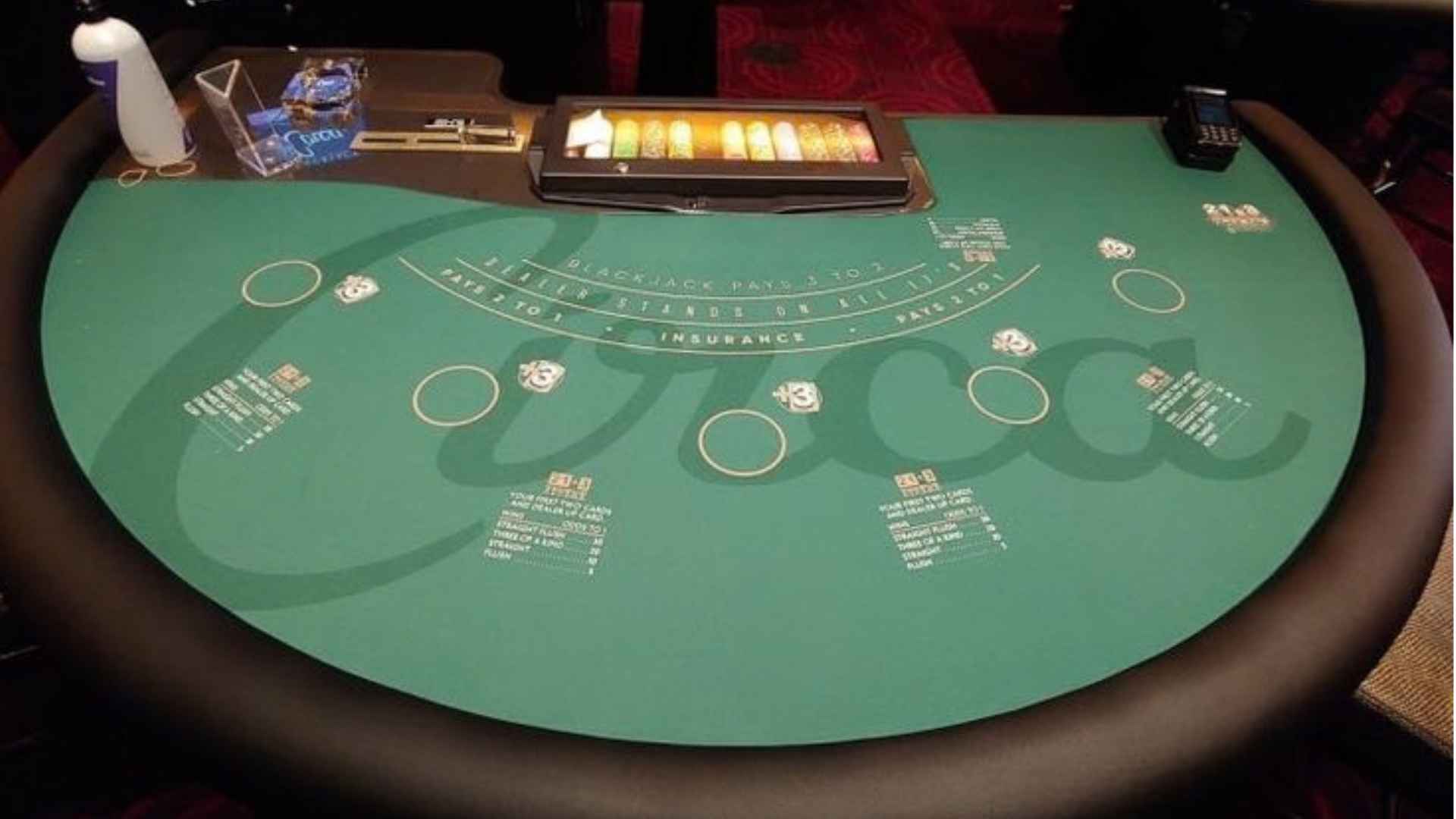
As the popularity of table games grew globally, the continuous rotation of critical responsibilities eventually became impractical for high-volume operations. Establishments gradually transitioned toward hiring permanent dealers and maintaining a centralized house bank to accelerate the game pace and limit confusion. This organizational shift created the highly optimized casino floors seen today, where the house manages all financial liabilities permanently.
While contemporary centralized tables offer great efficiency and rapid outcomes, they lack the intense community interaction found in historical setups. Studying how older spaces managed rotating duties reminds us that early card play was primarily a cooperative social contract built on participation. By recognizing these older operational systems, modern enthusiasts gain a clearer perspective on how much today's streamlined platforms have evolved from their interactive roots.