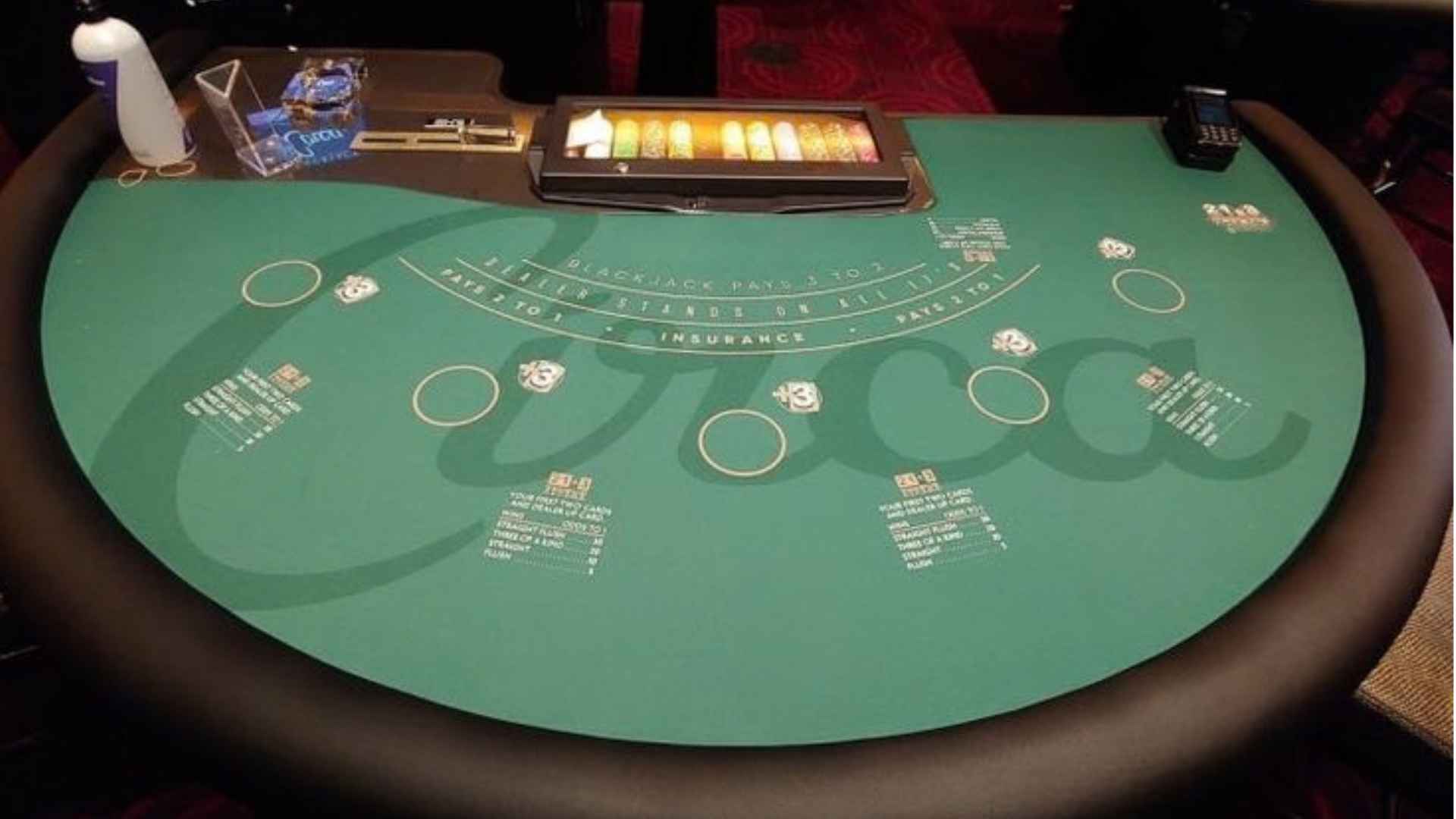
Engaging in tabletop gaming is more than just a source of casual entertainment or social interaction. For generations, players have used these structured environments to challenge their cognitive limits and refine their mental sharpness. Recent studies suggest that regularly playing strategic table games can significantly enhance your ability to process complex information and make highly precise choices under pressure.
The Mathematical Foundations of Sharp Choices
Many traditional card and board games require players to constantly calculate odds and weigh potential outcomes. By analyzing visible variables and predicting hidden resources, individuals learn to make objective judgments rather than relying on pure intuition. This structured approach to risk assessment naturally transfers into daily life, helping people evaluate financial or professional options with greater clarity.
For those looking to practice their analytical skills on secure digital platforms, using a reliable portal like m88.com login alternatif offers an excellent way to access classic setup variations. Regularly confronting these strategic scenarios teaches the brain to recognize subtle patterns and minimize costly mistakes during intense moments. Ultimately, consistent practice builds a mental framework where logic consistently overrides emotional impulses.
Managing Incomplete Information and Risk
In many table games, players must act without knowing their opponents' exact hands or future moves. This environment of imperfect information closely mirrors real-world decision-making, where absolute certainty is rarely possible. Players learn to assign probabilities to various outcomes and formulate flexible backup plans to protect their resources.
This dynamic teaches valuable lessons in cognitive flexibility and emotional resilience. When a chosen path fails, a seasoned player quickly adapts their approach rather than dwelling on the setback. Developing this adaptive mindset is crucial for maintaining high accuracy when navigating unpredictable professional or personal challenges.
Enhancing Focus and Reducing Cognitive Bias
Modern life is filled with rapid distractions that can easily compromise our judgment and logical reasoning. Tabletop gaming demands sustained concentration, forcing participants to block out external noise and remain present in the current round. This deep level of engagement exercises the brain's executive functions, which are directly responsible for planning and goal-oriented actions.
Furthermore, sitting around a physical or virtual table helps players identify and overcome common cognitive biases, such as overconfidence. Seeing the direct consequences of a hasty move provides immediate feedback that encourages more deliberate thinking in future rounds. Over time, this disciplined mental habit helps individuals make more balanced, rational decisions in their everyday lives.