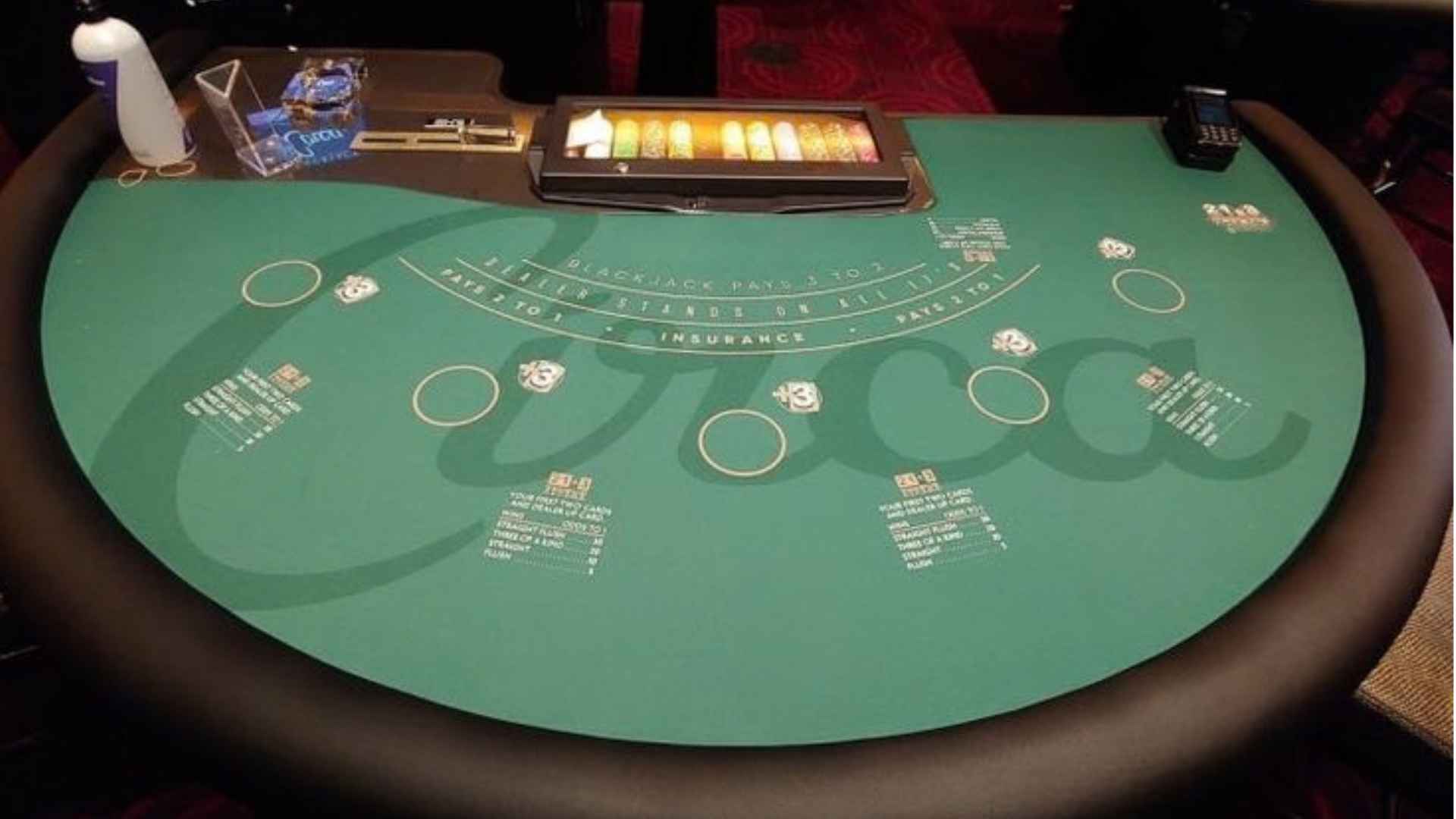
Reaching the final stage of a major poker tournament completely changes the atmosphere and the vocabulary used around the felt. As the field shrinks to the last remaining competitors, casual chat fades away in favor of high-stakes strategic declarations. Understanding the distinct terminology shared during these defining moments is crucial for navigating the intense pressure of tournament conclusions.
Navigating the Math of Survival
At a final table, players frequently discuss their financial survival using metrics that calculate stack depths relative to the escalating stakes. Competitors constantly monitor their M-ratio, which measures exactly how many full blind rounds their current chip count can endure before evaporating. Maintaining awareness of these metrics allows short-stacked individuals to decide precisely when to commit all their chips before losing structural leverage.
When the stakes are high, keeping up with platform structural updates is just as essential as tracking your stack size. Evaluating these shifts effectively can be simplified by accessing resources through the m88.com login alternatif platform for updated gaming systems. Understanding how digital structures mimic live tournament environments helps players adjust their strategic timing perfectly.
The Psychology of Laddering and Pay Jump ICM
Independent Chip Model, commonly known as ICM, dominates every conversation as the prize differences between finishes become massive. Players often reference laddering up, a defensive approach where short stacks avoid conflict hoping that another competitor gets eliminated first. This psychological dynamic creates unique situations where mathematically strong hands are folded to secure a guaranteed cash increase.
Conversely, the largest chip stacks utilize this structural pressure to exert maximum leverage over middle-sized stacks who cannot risk elimination. These chip leaders understand that survival mechanics force opponents to play with extreme caution during pre-flop confrontations. Recognizing these verbal and tactical standoffs separates seasoned tournament professionals from casual enthusiasts.
Deal Making and Final Table Etiquette
When play slows down significantly, discussions regarding a potential chop often emerge among the remaining participants. Players evaluate the remaining prize pool using equity distribution methods known as ICM chops or chip chops to reach a mutual financial agreement. Clear communication during these complex negotiations ensures that everyone receives a fair value based on their current stack sizes.
Once an agreement is reached or play continues, the vocabulary shifts toward high-level heads-up terminology as the title approaches. Every declaration becomes a binding strategic choice that could dictate the entire outcome of a multi-day event. Mastering these final table expressions ultimately prepares competitors to execute their strategies with absolute clarity when everything is on the line.