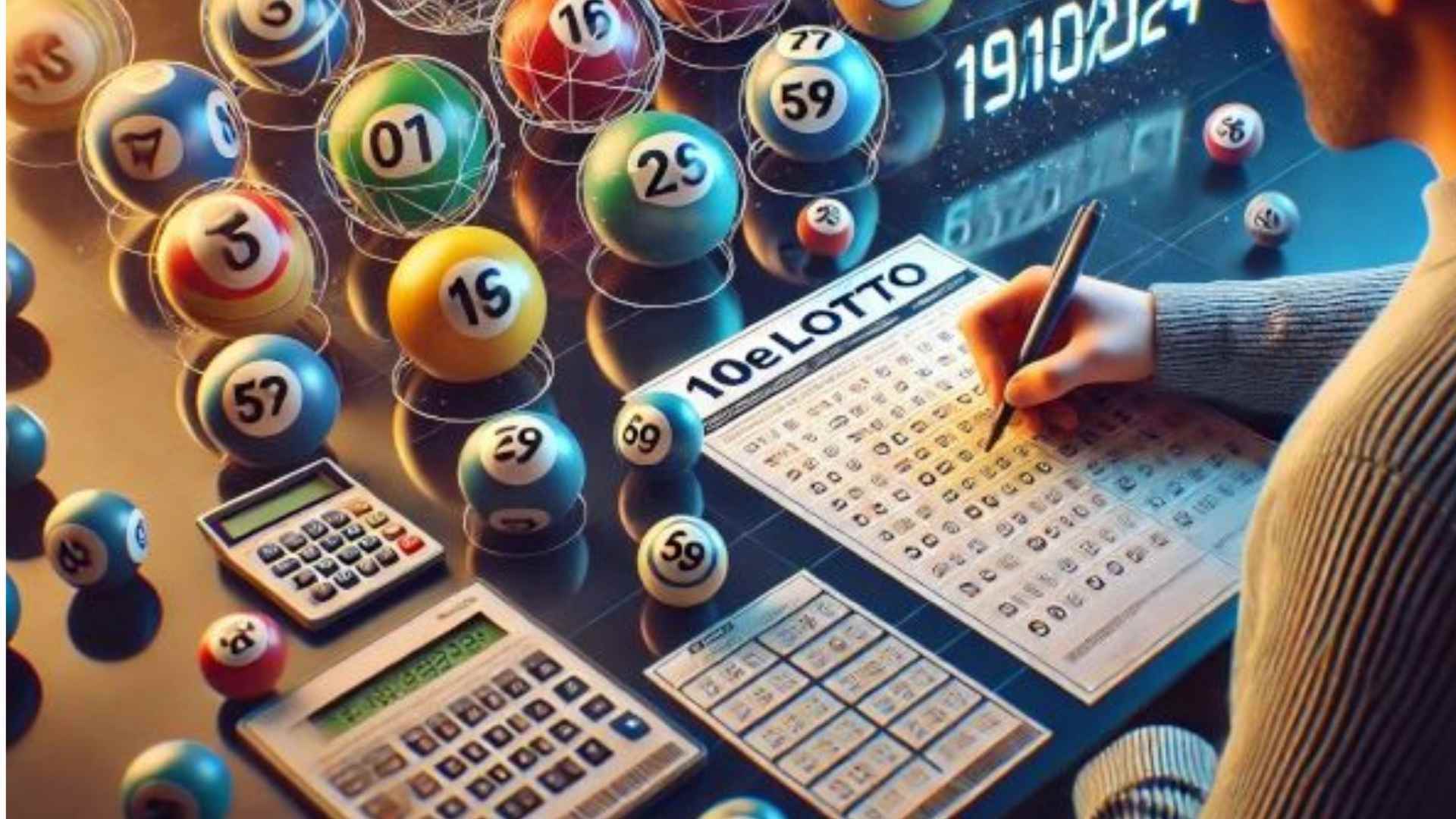
Community building has emerged as a powerful strategy to foster meaningful relationships and drive sustainable public growth. While traditional neighborhood meetings often struggle with low attendance, introducing interactive lucky draw events can significantly boost local engagement. When structured with collective goals, these promotional drawings transform passive residents into passionate, lifelong contributors who feel genuinely valued.
Designing Collaborative Milestones for Shared Goals
Instead of hosting individual prize giveaways, progressive community managers are aligning raffles with collaborative milestones. For instance, a neighborhood might unlock a higher-tier prize pool once a specific number of residents participate in a local clean-up or charity drive. This collective mechanism shifts the focus from individual gain to a shared achievement that benefits the entire group.
By tying the randomized rewards directly to civic actions, organizers can easily stimulate a spark of enthusiasm and sustain its momentum over time. People participate more willingly when they see their involvement as relevant and worth their personal time. Consequently, these shared experiences help fragmented groups build a resilient foundation of trust and mutual appreciation.
Enhancing Transparency to Build Lasting Trust
The overall success of any community-focused giveaway depends heavily on the perceived integrity of the selection process itself. Traditional mechanical draws often face skepticism, which can quickly alienate participants and damage local relationships. Implementing modern digital verification systems ensures that every community member has an absolute, verified equal opportunity to win.
When a platform offers transparent communication regarding how entries are collected and drawn, it naturally cultivates a more supportive organizational climate. For individuals exploring verified platform configurations, using a reliable m88.com login alternatif serves as a great example of transparent digital infrastructure. Ensuring absolute fairness in public events ultimately encourages higher participation rates in subsequent community initiatives.
Recognizing Diverse Participation Behaviors
Gaining social recognition is a key driver of engagement because individuals learn from the positive feedback they receive regarding their public actions. Effective lucky draw campaigns should reward various forms of participation, such as volunteering, mentoring, or sharing personal experiences. This inclusive programming ensures that residents with different skills can find a comfortable way to contribute.
When a community member wins a prize for their dedication, sharing their success story creates a powerful ripple effect of enthusiasm. Other participants practice similar helpful actions because they believe their efforts will lead to a favorable and recognized result. Over time, this consistent cycle of behavior reinforcement transforms casual attendees into highly active neighborhood leaders.
Managing Inclusive Traditions for Long-Term Bonds
Establishing recurring seasonal or monthly raffle traditions keeps the community connected throughout the entire calendar year. These scheduled events provide a predictable timeline for participants to plan their involvement and anticipate communal gatherings. The anticipation of the unknown combined with a festive environment makes these drawings highly memorable milestones.
Ultimately, a well-planned lucky draw is much more than a simple marketing gimmick used for temporary traffic acquisition. When designed with accessibility and equity in mind, these events become vital tools for nurturing empathy, communication, and collaboration. By balancing interactive excitement with practical civic purposes, local organizations can successfully build stronger, more unified communities.